Services
Strength & Performance MOT
At our clinic, physiotherapy goes beyond symptom relief. We combine deep clinical expertise, advanced biomechanical analysis, and objective performance data to deliver truly personalised care, whether you’re recovering from injury, returning to sport, or optimising performance.
What is a Strength & Performance MOT?
It’s like a full health check for your muscles and movement.
We use advanced testing systems and physiotherapy assessment to:
- Find strength imbalances and weak links
- Spot movement patterns that increase injury risk
- Track your recovery with real data instead of guesswork
- Build a tailored plan to improve performance and resilience
VALD ForceDecks and dynamometry are widely used in elite sport and clinical rehab to measure strength, power, balance and range of motion with precision
The technology behind your MOT
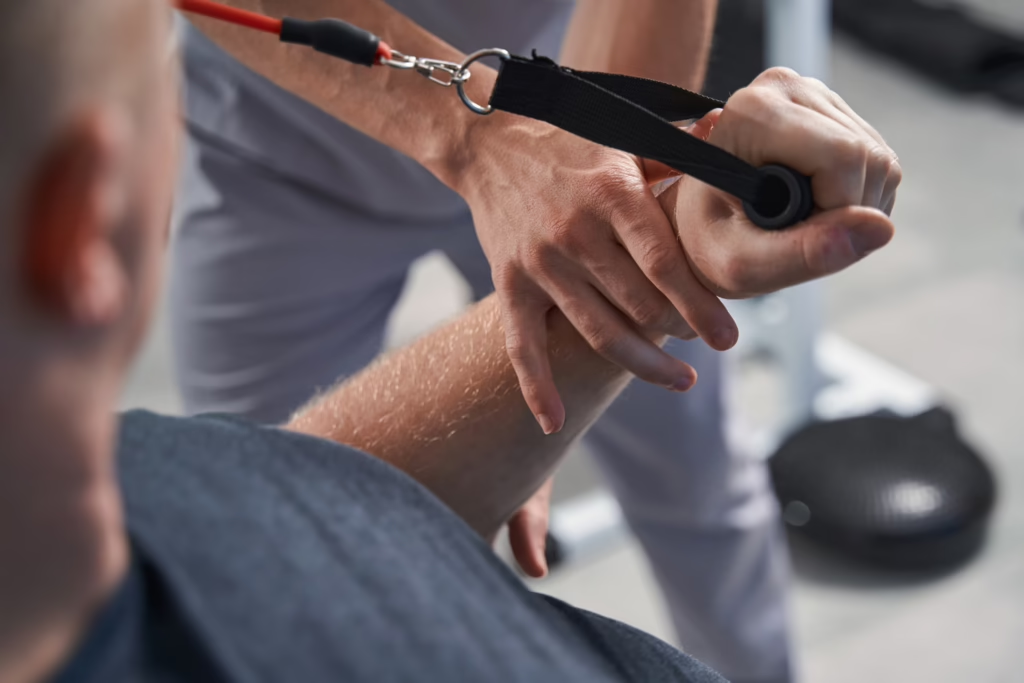
Strength Testing – Dynamometry
What the Testing Involves
You will perform controlled strength tests using a dynamometer, which measures the strength of key muscle groups related to your injury, sport, or activity. These tests assess maximum strength, differences between sides, and how quickly your muscles can generate force.
Why It Matters
Dynamometry provides accurate, measurable data that can reveal if one side is weaker, whether your strength matches your activity level, and if your muscles generate force quickly enough to protect your joints. This information is essential for injury recovery, improving performance, and ensuring a safe return to sport.
Force Plate Testing – Using VALD ForceDecks
What the Testing Involves
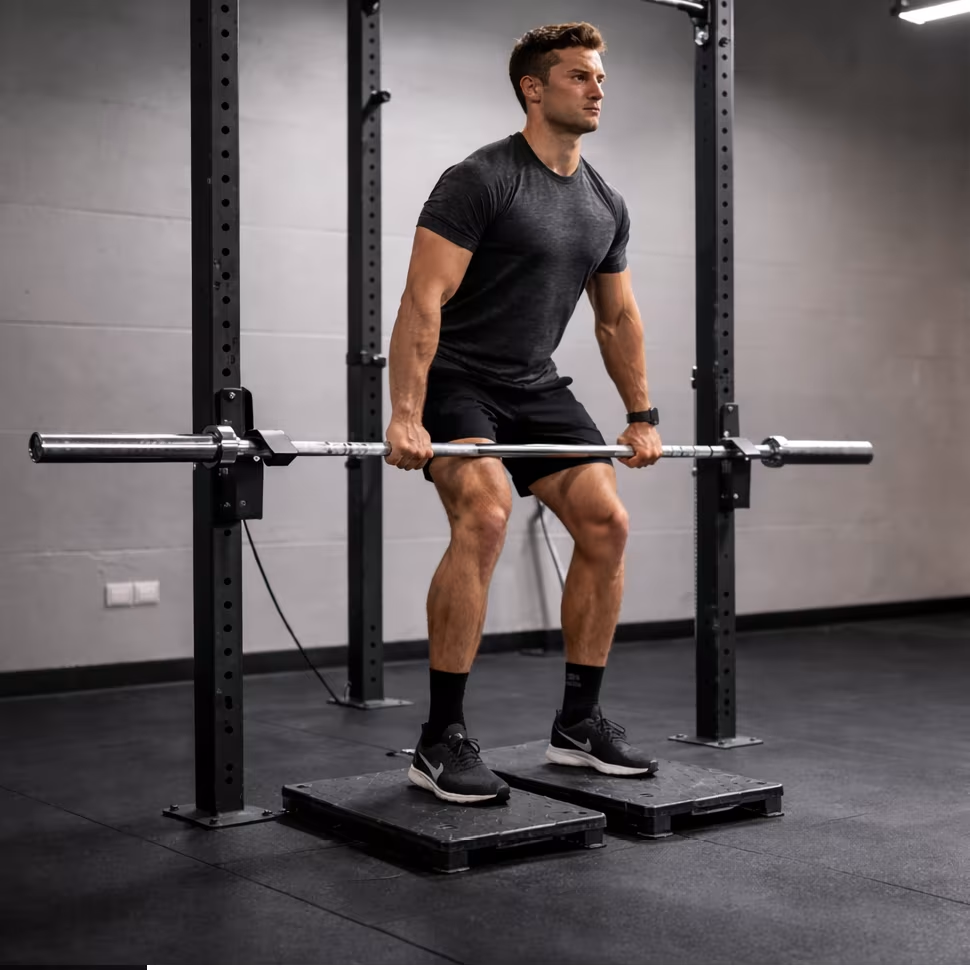
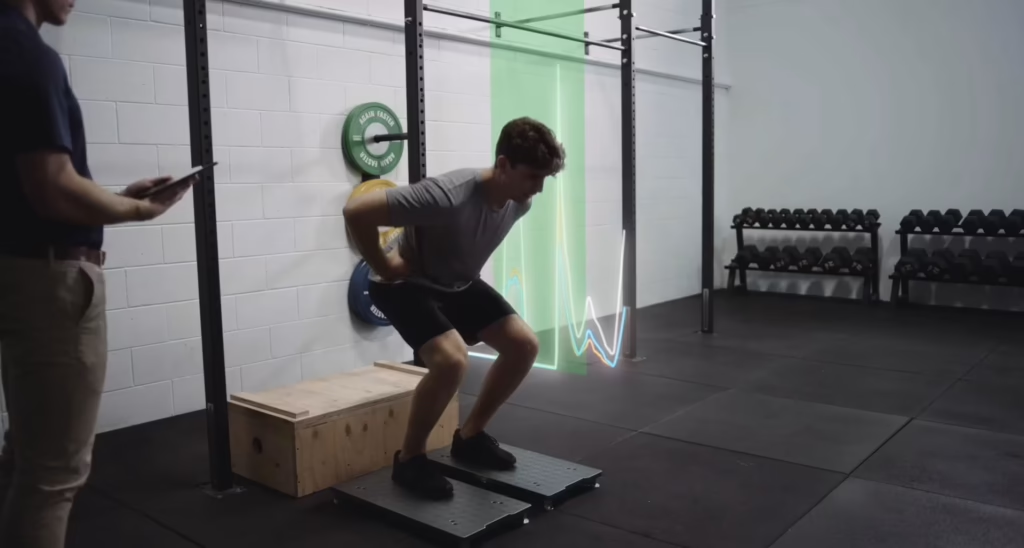
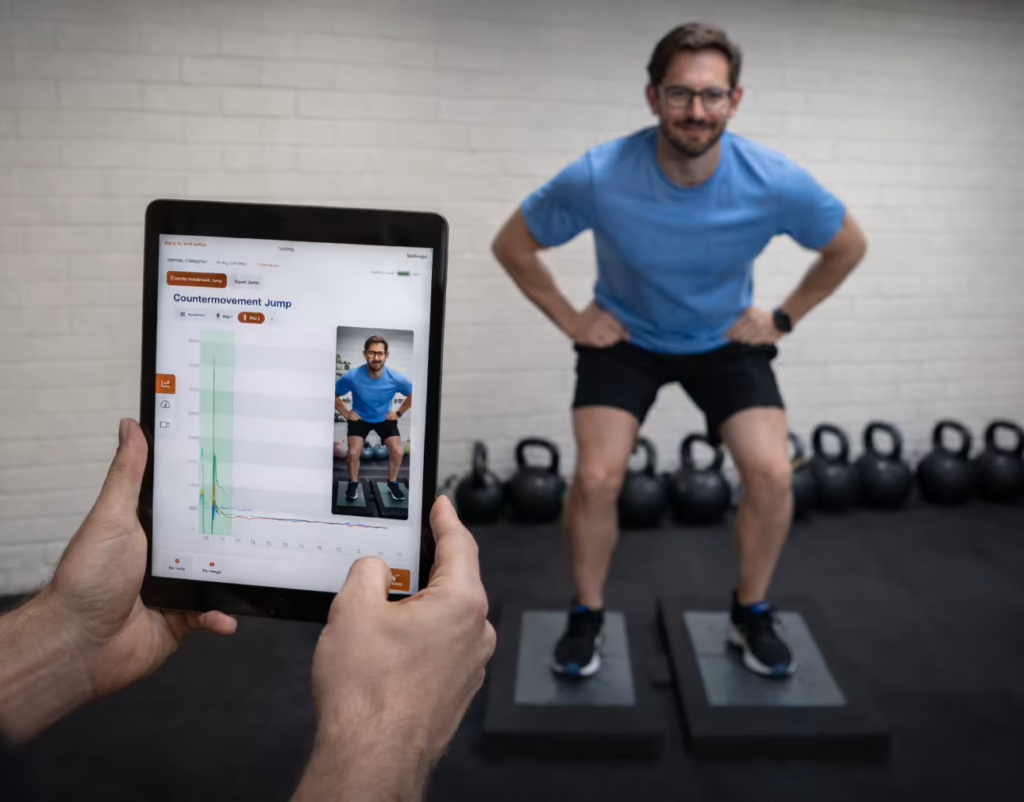
You will perform simple movements such as squats, jumps, or balance tasks while standing on dual force plates, which measure how your body produces and absorbs force in real time. These tests provide insights into your strength and power, balance and stability, limb loading, and how efficiently you move under load.
Why It Matters
Force plates reveal details that aren’t visible to the eye, helping us understand if you are favouring one side, how well your body tolerates load, and whether you are ready to progress training or return to sport. This data reduces the risk of re-injury and ensures your rehabilitation and performance plan is evidence-based, not guesswork.
Movement Analysis
What the Testing Involves
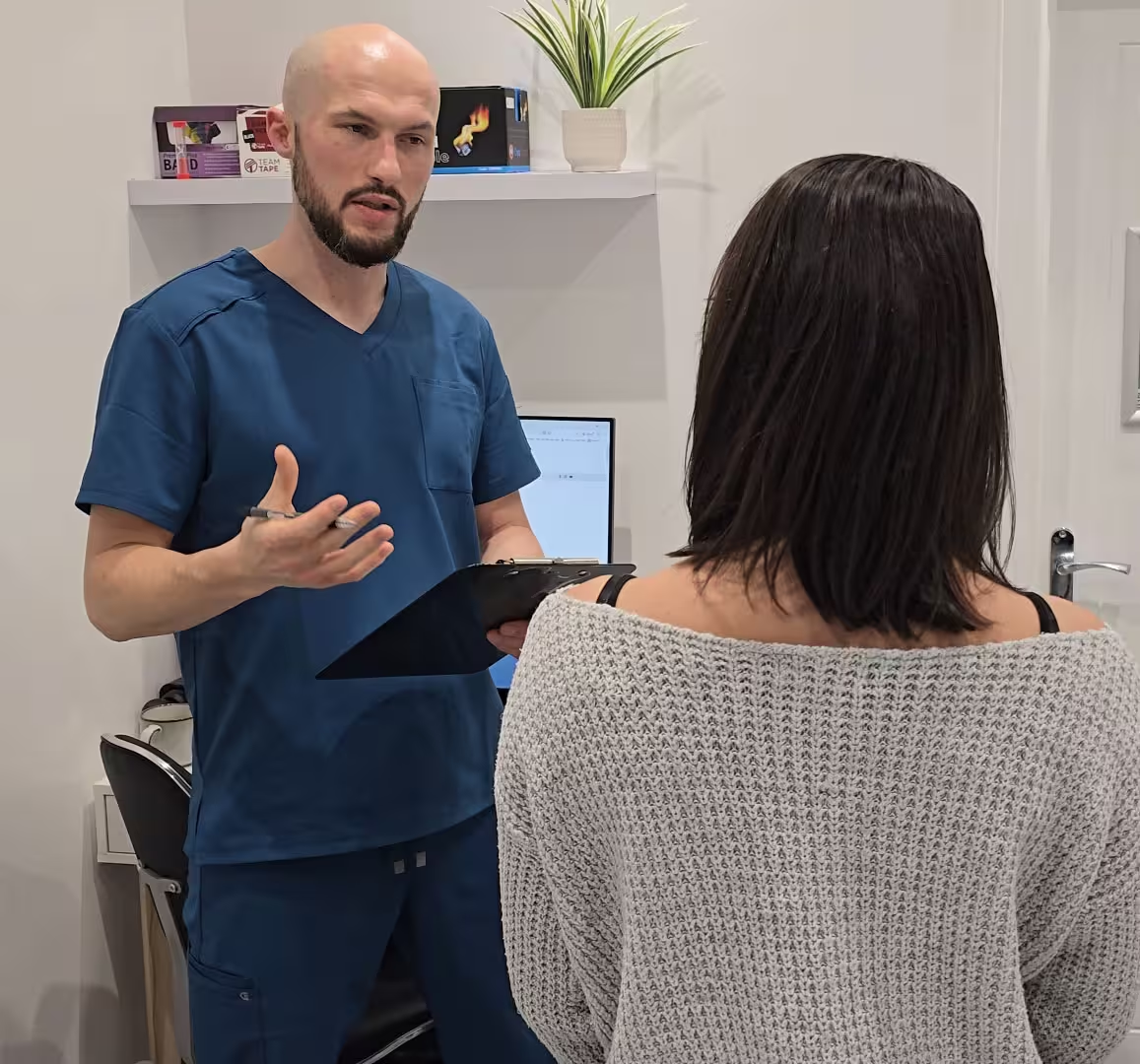
We record your movements—such as walking, squatting, running, or sport-specific actions—from multiple angles. Your physiotherapist then analyses the footage frame by frame to understand how your body moves.
Why It Matters
Movement analysis helps identify compensation patterns, inefficient movement, and mechanical contributors to pain or injury. Seeing your movements in detail helps you understand what needs to change and why, improving engagement and long-term outcomes.
Physiotherapy & Orthopaedic Assessment
What the Testing Involves
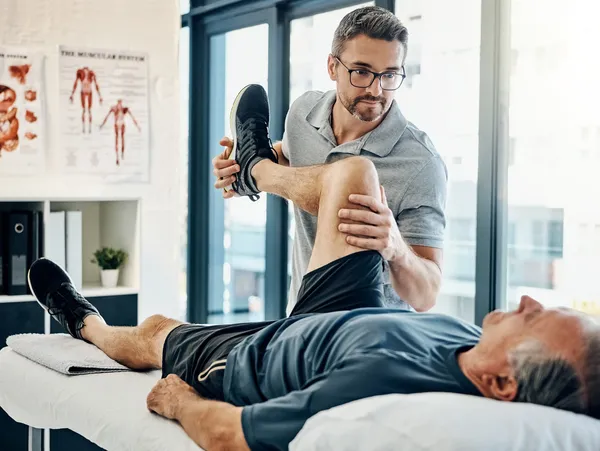
We conduct a detailed assessment that includes your injury history, symptom analysis, joint and soft tissue examination, orthopaedic and special tests, and neurological screening when appropriate.
Why It Matters
This clinical assessment forms the foundation of your diagnosis, helping us identify the root cause of your problem rather than just treating the symptoms.
MSK Ultrasound Imaging (When Required)
What the Testing Involves
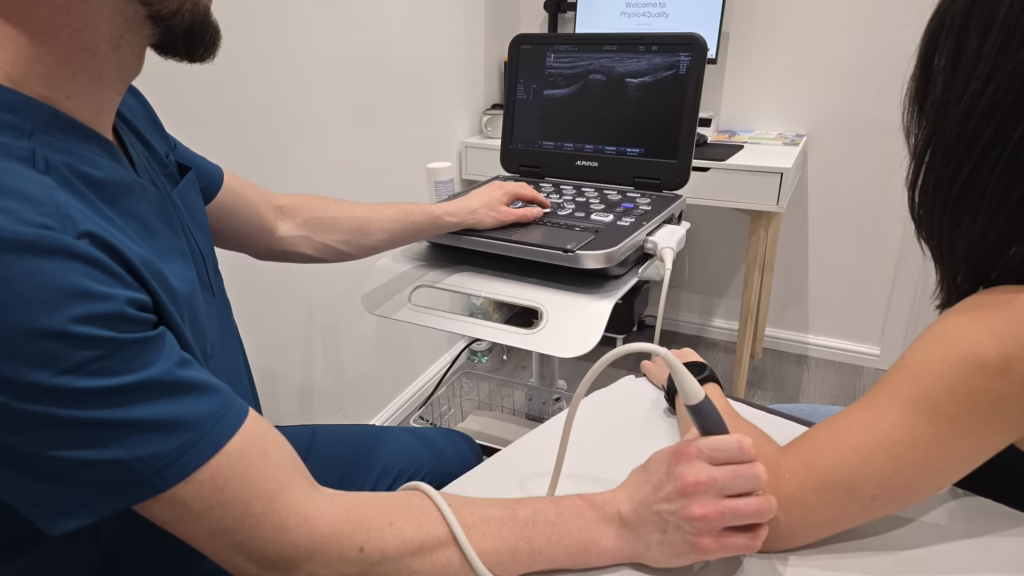
When clinically indicated, we use musculoskeletal ultrasound to visualise muscles, tendons, and other soft tissues in real time.
Why It Matters
Ultrasound helps confirm or clarify a diagnosis, monitor tissue healing, and guide treatment progression, adding precision and confidence to your rehabilitation plan.
Personalised Exercise Programming
What This Involves
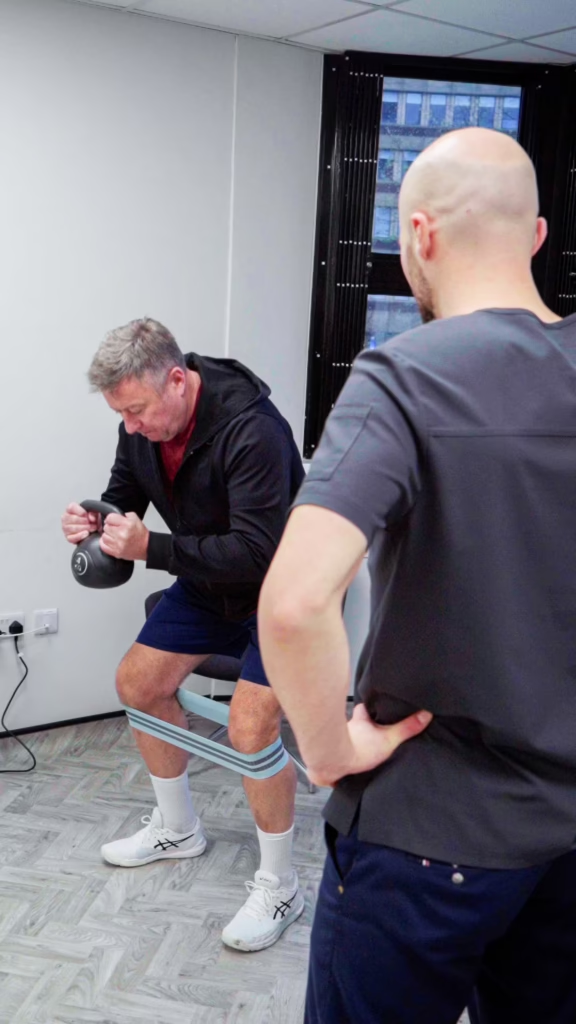
All assessment data—including strength testing, force plate results, movement analysis, and clinical findings are combined to create a tailored exercise programme. Your plan evolves as you improve, guided by repeat testing and objective progress markers.
Why It Matters
Generic exercises don’t address individual deficits. A personalised programme improves strength and power efficiently, restores confidence in movement, reduces the risk of re-injury, and supports long-term performance.
Faqs
Strength & Performance MOT
What is a Strength and Performance MOT?
It’s like a full health check for your muscles and movement. We measure your strength, balance, and movement patterns to identify weak points, prevent injuries, and guide a personalised plan for training, rehab, or recovery.
Benefit: You know exactly where your body is strong, where it’s vulnerable, and how to improve safely.
Who can benefit from this MOT?
Athletes (Boxers, MMA, BJJ, Footballers, Runners): Improve performance and prevent injuries.
Recreational runners or gym-goers: Reduce niggles, improve efficiency, and strengthen weak areas.
Post-surgery or rehab patients: Track recovery, restore strength safely, and return to activity confidently.
Benefit: The MOT is tailored to your sport, lifestyle, or recovery stage, so you get actionable insights no matter your level.
What does the testing include?
Force Decks: Measure jump, power, landing control, and left-right balance.
Dynamometry: Assess joint and muscle strength precisely.
Video Movement Analysis: Detect compensations and movement patterns.
Physiotherapy assessment: Hands-on evaluation of joints, muscles, and control.
Benefit: Using objective data, we can pinpoint weaknesses, prevent injuries, and create a program that’s personalized to you.
Why should I do this MOT before returning to play or increasing training?
Returning to activity too soon or training without knowing your weaknesses increases the risk of injury.
Benefit: This MOT helps you safely return to sport, rehab properly after surgery, or improve performance while reducing injury risk.
Is it suitable for non-athletes or older patients?
Yes! The MOT is fully adaptable to your age, activity level, and health goals.
Benefit: Everyone can gain insights to move better, prevent injury, and improve strength safely.